The North Pole, a frozen wilderness at the top of the world, is home to some of the most awe-inspiring and resilient creatures on the planet. From majestic polar bears to elusive Arctic foxes, capturing the beauty of these animals through photography is a thrilling yet challenging endeavor. In this article, we will explore the art of animal photography in the North Pole, delving into the unique techniques, challenges, and the sheer magic that comes with documenting wildlife in this extreme environment.
The Arctic Menagerie:
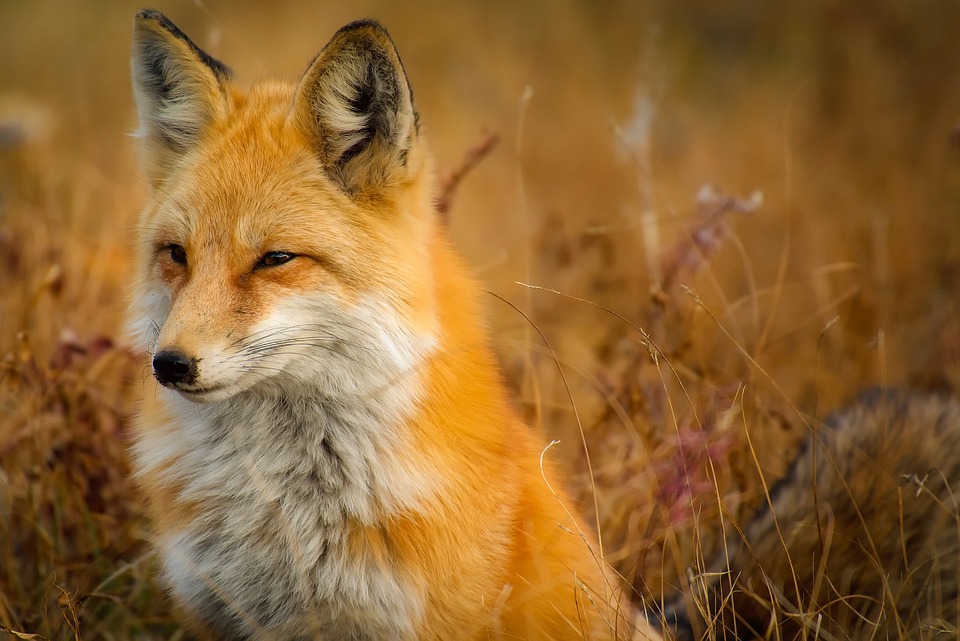
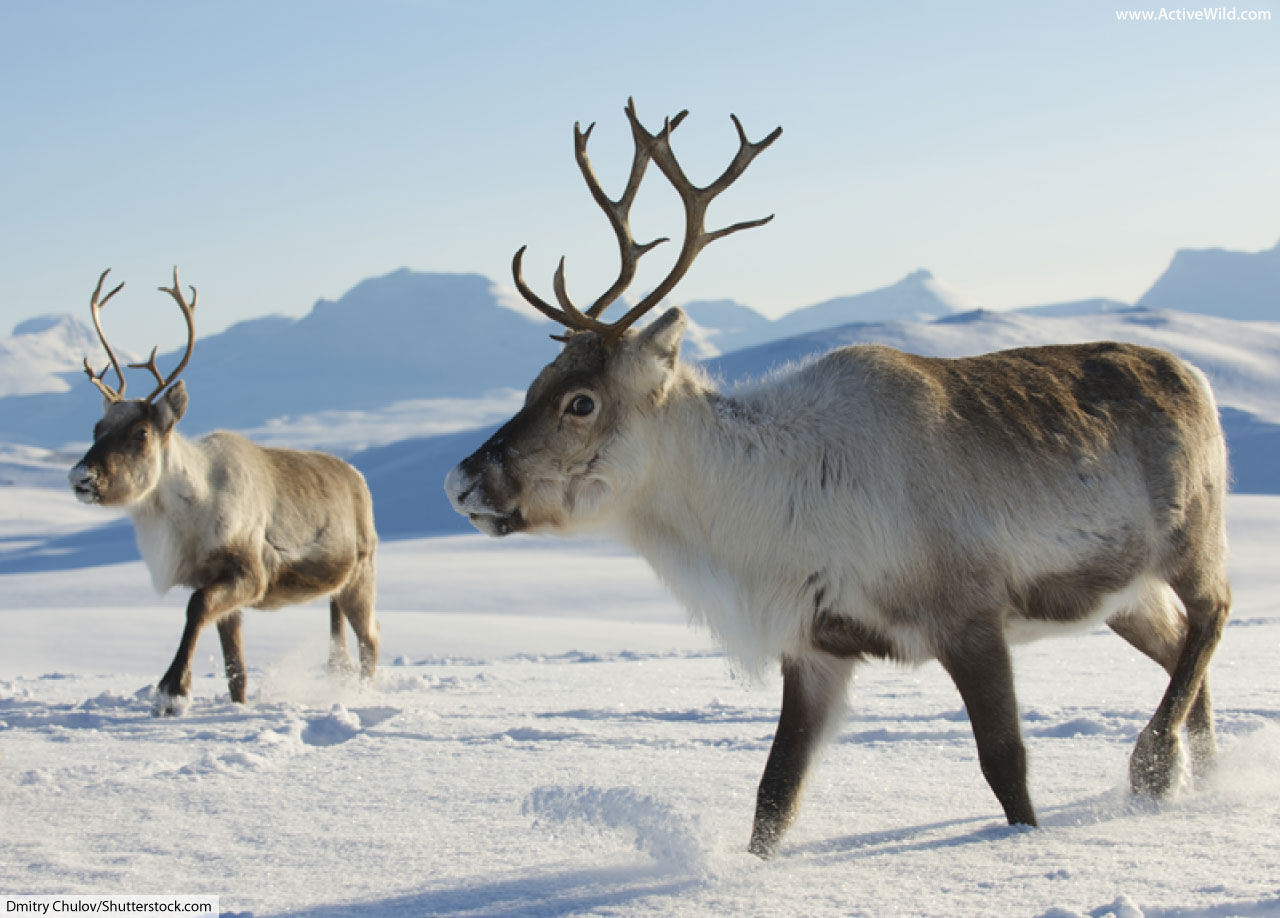
The North Pole boasts a diverse array of wildlife, each species adapted to survive in the harsh Arctic conditions. Polar bears, the undisputed kings of the ice, roam the frozen expanses in search of seals. Majestic reindeer, with their impressive antlers, traverse the tundra in search of lichen and moss. Arctic foxes, their fur changing with the seasons, blend seamlessly into the snow-covered landscape. These unique subjects provide photographers with an unparalleled opportunity to capture the essence of the Arctic ecosystem.
Challenges of North Pole Photography:
Photographing animals in the North Pole presents a set of challenges that demand skill, patience, and a deep understanding of the environment. Extreme cold temperatures can quickly drain camera batteries, freeze equipment, and test the endurance of both photographers and their gear. Unpredictable weather conditions, including blizzards and sudden storms, add an extra layer of complexity to the task. Furthermore, the vast and remote nature of the Arctic makes accessing these animals a logistical challenge, requiring careful planning and preparation.
Equipment Essentials:
To overcome the challenges posed by the North Pole, photographers must invest in specialized equipment. High-quality, weather-sealed cameras capable of operating in sub-zero temperatures are a must. Telephoto lenses with excellent low-light performance enable photographers to capture detailed shots from a safe distance, respecting the natural behavior of the animals. Additionally, thermal clothing and protective gear for both the photographer and equipment are essential to endure the extreme conditions.
Mastering the Art:
The key to successful animal photography in the North Pole lies in mastering the art of patience and observation. Unlike more temperate climates, wildlife in the Arctic is sparse and often elusive. Photographers must be prepared to spend extended periods waiting for the perfect shot. Understanding the behavior of the animals and their habitat is crucial for anticipating their movements and actions. This knowledge, combined with technical expertise, allows photographers to capture images that tell a compelling story of life in the frozen north.
Ethical Considerations:
Responsible wildlife photography is paramount in the delicate Arctic ecosystem. Photographers must prioritize the well-being and conservation of the animals they document. Maintaining a safe distance and avoiding any actions that may disturb or distress the wildlife is essential. By adhering to ethical guidelines, photographers contribute to the preservation of these unique species and their habitats.
The Magic of North Pole Photography:
Despite the challenges, capturing the beauty of Arctic wildlife is a deeply rewarding experience. The magical moments of a polar bear hunting on the ice or a reindeer gracefully navigating the tundra are unparalleled. The stark contrast of white snow against the vivid colors of the animals creates a visual feast for photographers. Each click of the shutter is a testament to the resilience and adaptability of life in one of the harshest environments on Earth.
Animal photography in the North Pole is a captivating journey into the heart of a frozen wilderness, where the unique challenges are surpassed only by the extraordinary rewards. Armed with the right equipment, knowledge, and ethical considerations, photographers can unlock the secrets of the Arctic and share its wonders with the world. Mastering the art of animal photography in this extreme environment is not just a skill; it’s a testament to the enduring beauty and importance of the North Pole’s delicate ecosystem.