The Rise of Wine Culture in Korea
Wine tasting in Korea has evolved into a sophisticated and delightful experience, with a burgeoning culture that embraces the nuances of various grape varieties and winemaking techniques. This article will take you on a journey through the vineyards and wine cellars of Korea, exploring the rise of wine culture, popular tasting destinations, and the unique blend of traditional and modern influences that make the Korean wine scene truly special.
The Rise of Wine Culture in Korea
Korea, once primarily known for its traditional alcoholic beverages like soju and makgeolli, has witnessed a remarkable transformation in recent years. The younger generation’s growing interest in global trends, coupled with an increasing number of international visitors, has contributed to the surge in popularity of wine. The wine culture in Korea has not only embraced imported bottles but has also seen a rise in the production of local wines, showcasing the nation’s dedication to quality winemaking.
Vineyard Tours: A Feast for the Senses
Embarking on a vineyard tour is an excellent way to immerse yourself in the world of Korean wines. One prominent destination is the picturesque area of Gyeonggi Province, where rolling vineyards create a stunning backdrop for wine enthusiasts. Guided tours provide a firsthand look at the winemaking process, from grape cultivation to fermentation and bottling. Visitors can stroll through the vineyards, absorbing the serene atmosphere while learning about the unique characteristics of Korean soil that contribute to the distinct flavors of local wines.
Wine Tasting Events: A Social Affair
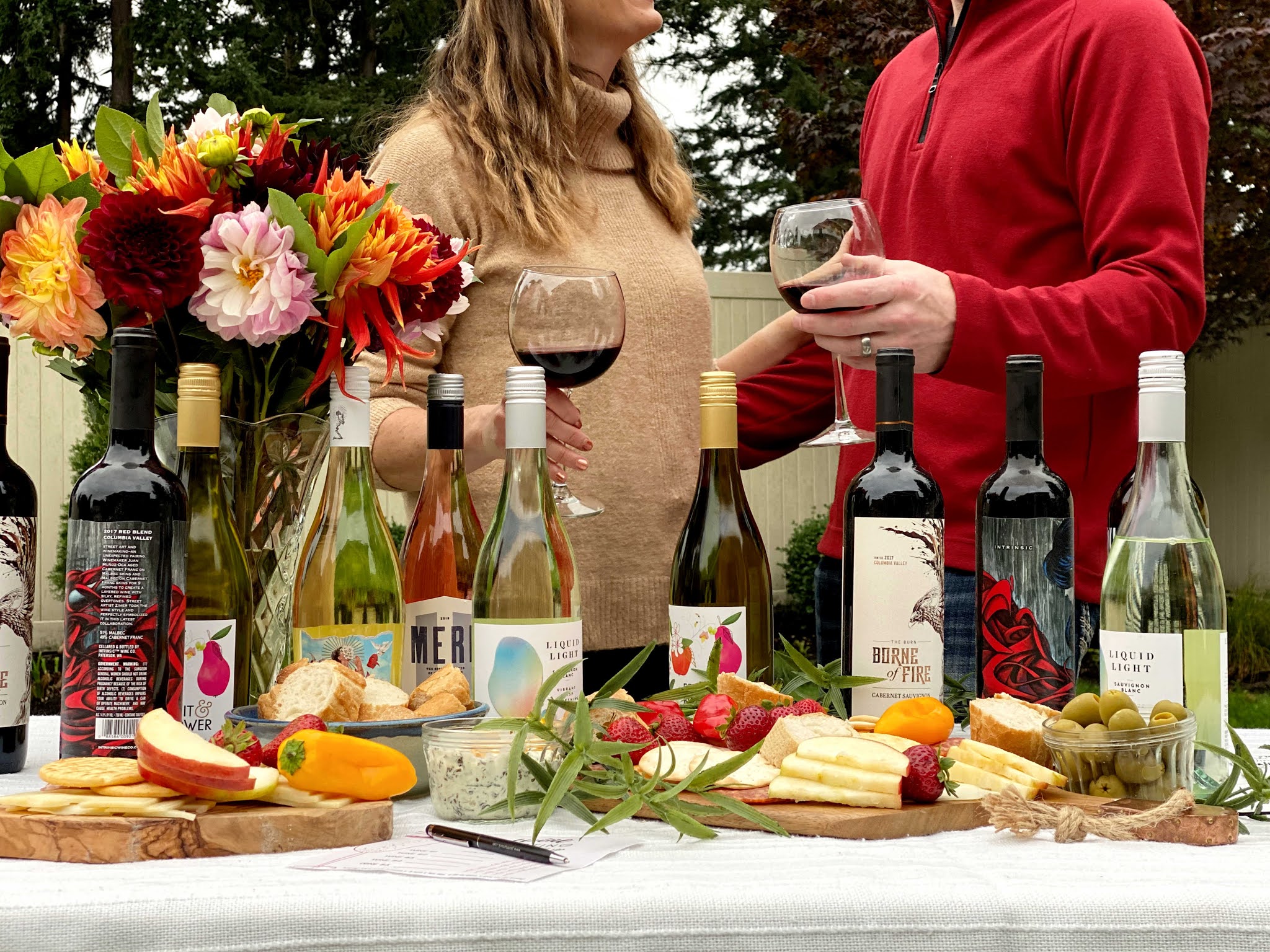
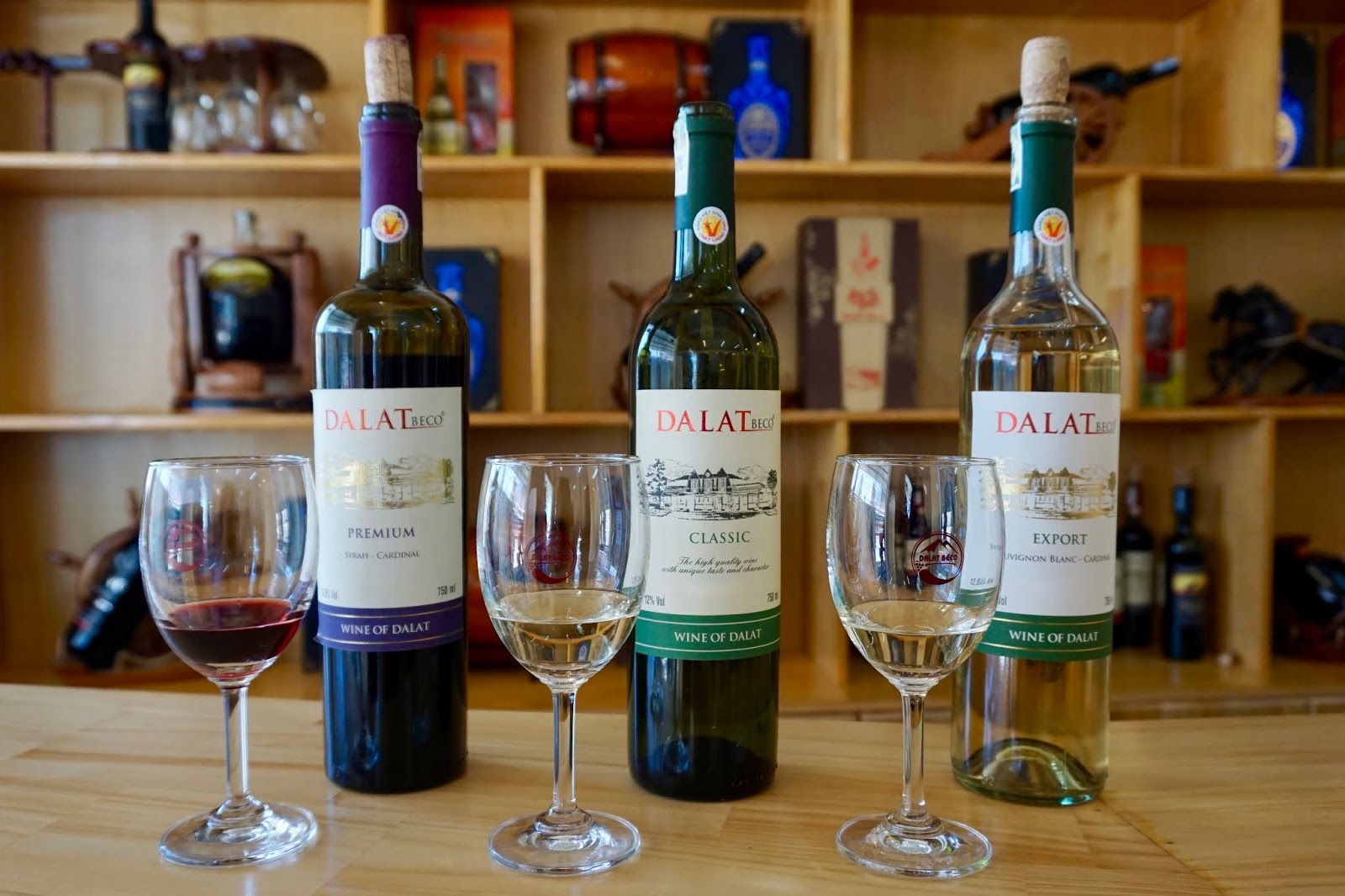
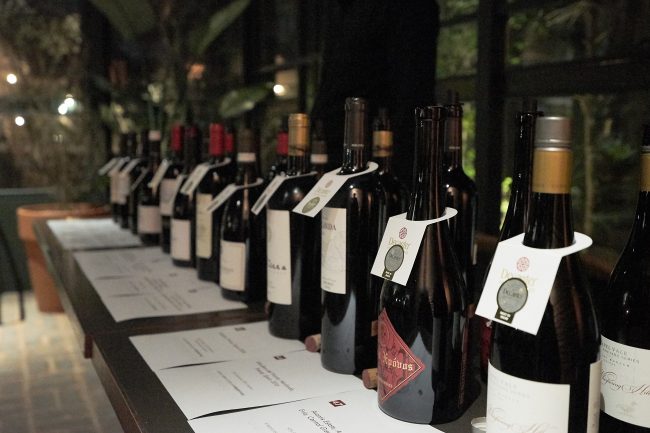
Wine tasting events have become increasingly popular across Korea, providing a social platform for wine connoisseurs and novices alike. These gatherings offer an opportunity to sample an array of wines, both domestic and international, in a convivial atmosphere. Expert sommeliers often guide participants through the tasting process, sharing insights into the aromas, textures, and flavor profiles of each wine.
Traditional Influences in Korean Wine Tasting
While Korea embraces global wine trends, there is a unique fusion of traditional influences in the wine-tasting experience. Traditional Korean cuisine, renowned for its bold and diverse flavors, pairs surprisingly well with many wines. Tasting sessions often include pairings with dishes like kimchi, bulgogi, and bibimbap, creating a harmonious blend of Western and Korean culinary traditions.
Wine Bars and Cellars: Urban Oases for Wine Enthusiasts
Urban centers in Korea boast a thriving wine culture, with an abundance of wine bars and cellars catering to diverse tastes. These establishments offer extensive wine lists featuring both local and international selections. Knowledgeable staff guide patrons through the choices, ensuring a delightful experience for those seeking to expand their wine palate.
Unique Korean Grape Varieties: A Tasting Adventure
Korea has also started to gain recognition for its unique grape varieties, contributing to the distinctiveness of its wines. Varietals such as Campbell Early, Cheongsoo, and Geumju showcase the diversity of the Korean wine landscape. Exploring these indigenous grapes adds a layer of authenticity to the wine-tasting experience, providing a taste of Korea’s winemaking heritage.
Conclusion: Savoring the Elegance
In conclusion, wine tasting in Korea has evolved into a rich and multifaceted experience, blending global trends with traditional influences. Whether you find yourself in the tranquil vineyards of Gyeonggi Province or the vibrant wine bars of Seoul, the Korean wine scene offers a delightful journey for every palate. So, embark on this tasting adventure, savor the elegance, and discover the unique charm of wine culture in Korea. Cheers to the perfect blend of tradition and modernity!